info@tejalindia.com
+91-7838587057/+91-9355778933

Welcome To Tejal Engineers Pvt. Ltd.

Established in 2013, Tejal Engineers Pvt. Ltd. has become a leading service provider for MEP, STP, LTP & WTP works, VRV/VRF systems, turnkey air conditioning solutions, and comprehensive after-sales services for all types of air conditioners. With a focus on customer satisfaction, Tejal Engineers offers unmatched combinations of air conditioning systems that emphasize energy efficiency and reliable performance, all at market-leading prices.

The company is supported by a team of highly qualified process engineers who specialize in the design, supply, erection, and installation of MEP, STP, LTP & WTP and related products. Their expertise ensures that every project meets the highest standards of quality and efficiency. Tejal Engineers Pvt. Ltd. was founded with the ultimate aim of delivering outstanding air conditioning solutions and complete MEP, STP, LTP & WTP services, catering to ACs of all makes and brands.

Read More

Tejal Engineers Pvt. Ltd.

How It Works

  • Discover
  • Design
  • Finalization
  • Move In

Testimonials

Have Any Questions?

FAQS

What is an HVAC System, and how does it work?

You must be thinking about what the meaning of HVAC is.

HVAC stands for heating, ventilation, and air conditioning. It involves using different technologies to control a room’s humidity and temperature. You can find HVAC contractor in India to provide you with the best solutions.

The system responsible for heating and cooling your room is known as an HVAC system. It is widely used in both residential and commercial spaces. During summer, it keeps the environment cool and refreshing, while in winter, it creates a warm and cozy atmosphere. Moreover, HVAC systems also regulate indoor humidity levels, ensuring a comfortable living or working space year-round.

What is the importance of ductwork in an HVAC system?

a. Efficient Air Distribution – It delivers cooled or heated air evenly across all rooms, maintaining a consistent indoor temperature.
b. Energy Efficiency – Properly sealed and insulated ducts reduce air leakage, helping the system consume less energy and lowering utility costs.
c. Air Quality – Ducts help circulate filtered air, removing dust, allergens, and pollutants, which improves indoor air quality.
d. Comfort Control – Well-designed duct systems ensure balanced airflow, preventing hot or cold spots in different areas of the building.
e. System Longevity – Reduced strain on the HVAC system, due to efficient air movement, increases the lifespan of the equipment.

In short, ductwork is the backbone of an HVAC system, directly impacting comfort, energy efficiency, and air quality.

How do you perform essential maintenance on an HVAC system?

a. Filter replacement/cleaning – change or wash filters regularly to maintain airflow.
b. Coil cleaning – clean evaporator and condenser coils to prevent dust buildup.
c. Checking refrigerant levels – ensure proper charge for efficient cooling.
d. Inspecting ducts and vents – look for leaks, blockages, or dirt.
e. Thermostat calibration – confirm accurate temperature settings.
f. Lubricating moving parts – reduce friction in motors and fans.
g. Electrical inspection – check wiring, connections, and controls for safety.
h. Drain line cleaning – clear clogs to avoid water damage and mold.

What are the different types of HVAC systems, and which is more energy efficient?

Types of HVAC Systems

I. Split Systems (Traditional)
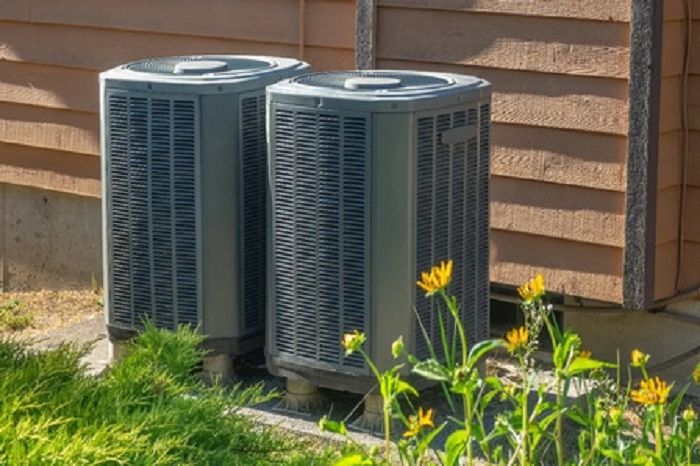
The most common residential setup. It has two units: an indoor unit (furnace/air handler with coil) and an outdoor unit (AC compressor/condenser).
Efficiency: Moderate. Efficiency depends on the SEER (Seasonal Energy Efficiency Ratio) rating of the AC and the AFUE (Annual Fuel Utilization Efficiency) rating of the furnace.

II. Hybrid Split Systems
Description: Similar to a split system, but allows switching between gas-powered furnace heating and electric heat pump heating.
Efficiency: High. It saves energy by using electricity when costs are lower and gas when it’s more efficient.

III. Duct-Free (Mini-Split Systems)
Description: No ductwork needed. Small indoor units mounted on walls or ceilings connect to an outdoor unit. Ideal for rooms without ducts or for zoning.
Efficiency: Very high. They avoid duct losses (which can waste 20–30% of energy) and allow independent control of each zone.

IV. Packaged Heating and Air Systems
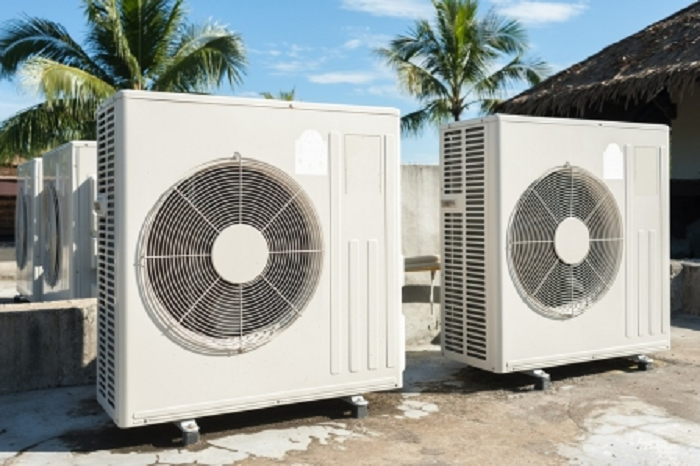
Description: All components (heating, cooling, and air handling) are in one outdoor unit. Often used in commercial spaces or homes without basements.
Efficiency: Moderate to high, depending on the unit, though generally less efficient than split or mini-split systems.

V. Geothermal HVAC Systems
Description: Uses underground pipes to transfer heat between the earth and the building. Works for both heating and cooling.
Efficiency: Extremely high. Can cut energy use by 30–60% compared to traditional systems. High upfront cost but excellent long-term savings.

VI. Which is More Energy Efficient?
Most Efficient Overall: Geothermal systems – best long-term efficiency and sustainability.
Best Practical Choice for Homes: Ductless mini-split systems – high efficiency, no duct losses, and zoned control.
Best for Larger Buildings: Hybrid systems – a balance between gas and electric energy sources.
×